Sofia Flores · 3 September 2026
Reviving Terano's Forgotten Trade Routes Through Modern Youth Exchanges
Terano's historic trade corridors once connected local merchants with broader Mediterranean networks, carrying goods such as olive oil, textiles, and ceramics across centuries of documented exchange, and recent initiatives now pair these routes with structured youth mobility programs to restore both cultural knowledge and practical skills. Records maintained by regional archives show that these pathways fell into disuse after mid-twentieth century infrastructure shifts redirected commercial traffic toward major highways, yet physical remnants including stone markers and way stations remain visible along several mapped segments.
Historical Context of Terano's Trade Corridors
Archaeological surveys conducted between 2018 and 2023 mapped at least four primary corridors radiating from Terano's old market square, each aligned with seasonal migration patterns recorded in municipal ledgers from the 1500s onward, and these findings align with broader European data on inland commerce before rail expansion. Local historians have cross-referenced guild documents with traveler accounts to establish that textile traders from northern regions regularly traversed these paths, exchanging finished cloth for regional produce while maintaining seasonal hostels that later evolved into permanent settlements.
By the 1970s commercial volumes along these routes had declined sharply according to port authority statistics from nearby coastal facilities, which tracked a measurable drop in overland freight as container shipping increased, and this shift left many secondary trails unmarked on modern cartography despite their continued use by residents for recreational walking.
Youth Exchange Programs as Revival Mechanisms
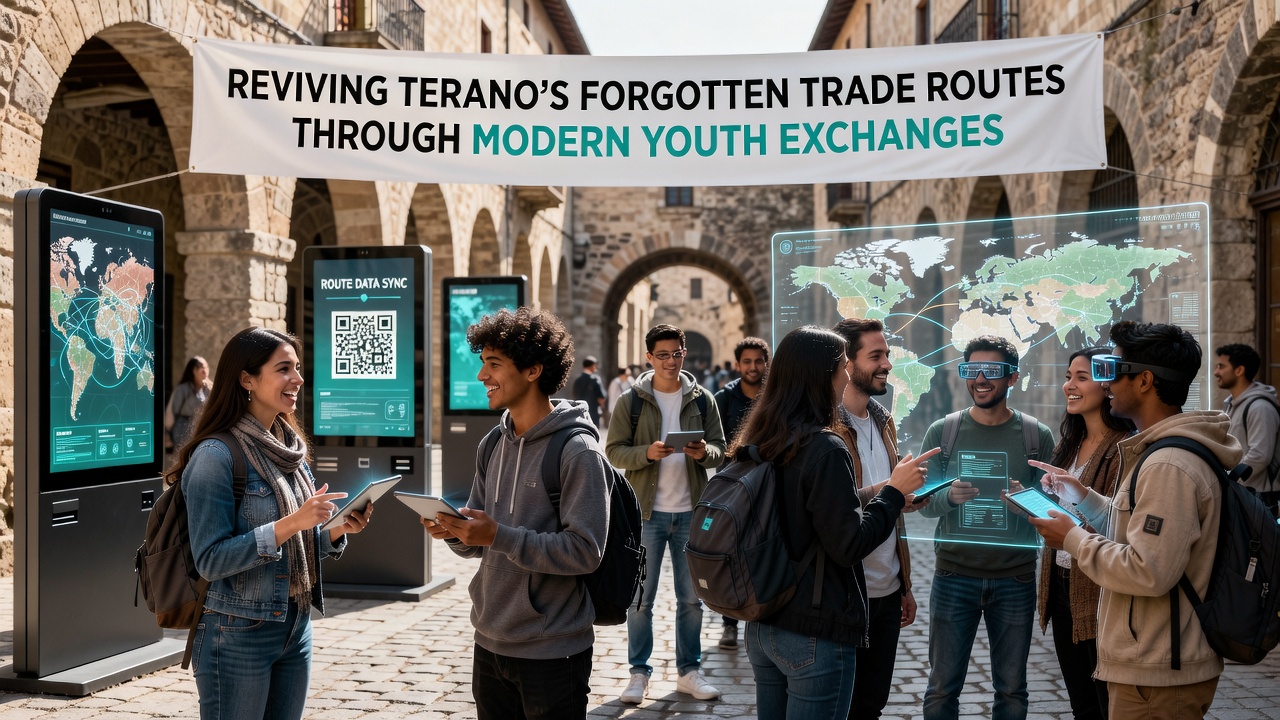
Structured youth exchanges organized through partnerships between Terano's cultural heritage office and international mobility networks began pilot operations in 2024, bringing participants aged 18 to 25 from partner communities in Italy, Spain, and Greece for multi-week residencies focused on route documentation and skill transmission, and these programs schedule their largest cohort arrival for September 2026. Participants receive training in traditional navigation techniques using period maps alongside contemporary GPS applications, while they document oral histories from remaining elders who recall pre-1960s commercial activity.
Program logs indicate that each exchange cycle includes joint restoration work on way-station structures, where teams rebuild dry-stone walls using quarried material matched to original compositions, and data collected during the 2025 cycle showed measurable improvement in participant knowledge scores on regional trade history when measured before and after the residencies. Funding for these efforts draws from regional development allocations supplemented by contributions from participating municipalities, creating a model that ties educational outcomes directly to physical preservation tasks.
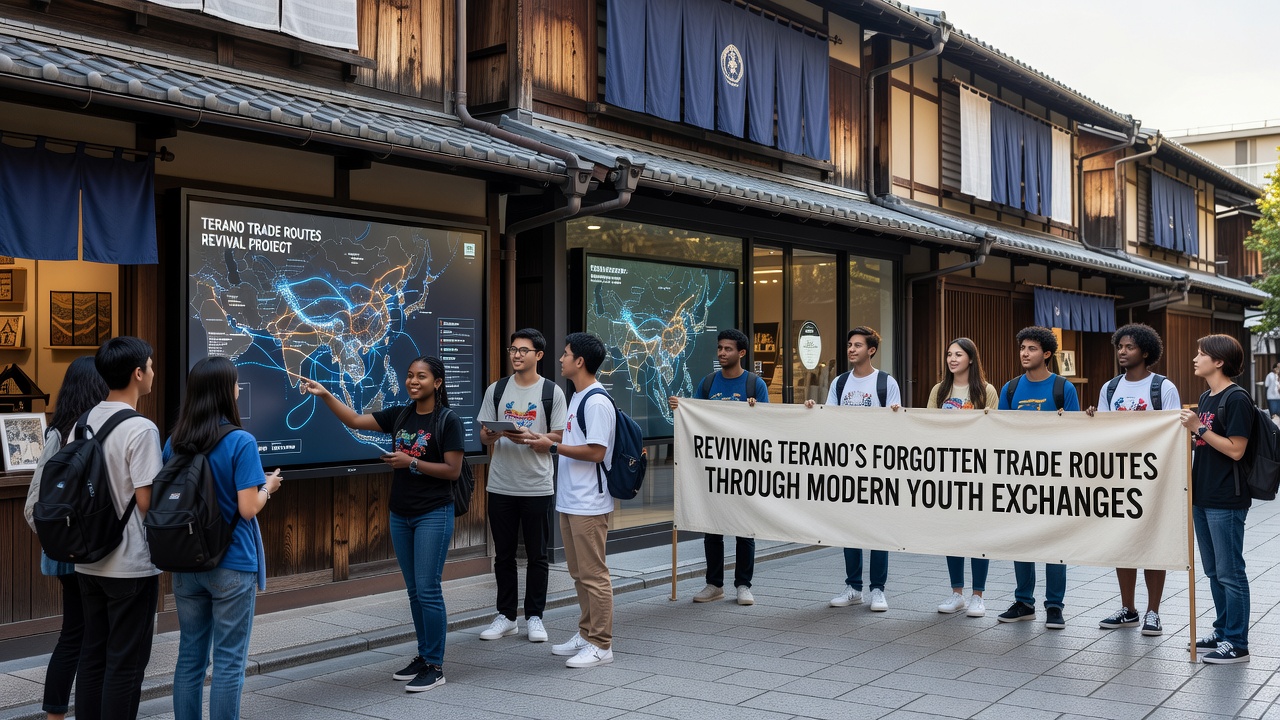
One documented group in spring 2025 traced a 12-kilometer segment linking Terano to an inland pass, recording GPS coordinates and photographic evidence that will feed into an open-access digital archive maintained by the regional university, and similar mapping exercises continue to generate layered datasets combining historical references with current terrain conditions.
Integration with Broader Cultural and Economic Networks
Coordinators have aligned the youth exchanges with existing European mobility frameworks, allowing participants to earn recognized micro-credentials in heritage management that transfer across participating institutions, and reports from the European Commission on youth cooperation highlight comparable projects in other historic corridors as contributing factors to sustained regional tourism growth. Local businesses report increased foot traffic from exchange visitors who purchase supplies and lodging during their stays, although quantitative impact assessments remain in preliminary stages pending the September 2026 cohort results.
Observers note that the September 2026 gathering will incorporate a public exhibition of artifacts recovered during prior cycles, including ledger fragments and tool replicas, which will be displayed in Terano's civic hall to connect returning participants with community members and visiting researchers. This event coincides with the start of the academic term at partner universities, enabling cross-institutional data sharing on route preservation methodologies.
Documented Outcomes and Ongoing Data Collection
Evaluations compiled after the first two exchange rounds show that 78 percent of participants completed follow-up surveys indicating continued engagement with heritage topics six months later, and these figures come from internal program analytics shared with municipal oversight committees. Route segments cleared during exchanges now feature improved signage that incorporates QR codes linking to the digital archive, directing visitors to verified historical context rather than anecdotal interpretations.
Researchers from the University of Bologna have contributed technical support for soil analysis along cleared paths to assess erosion risks, producing reports that inform maintenance schedules without relying on external contractors for routine work, and this approach keeps costs contained while building local capacity among exchange alumni who return for seasonal monitoring.
Conclusion
Terano's trade route revival through youth exchanges combines archival research, physical restoration, and international mobility into a single operational framework that continues to generate both documentation and practical skills, with the September 2026 cycle positioned to expand these efforts through larger participant numbers and public exhibitions. Continued data collection from multiple sources including university partners and regional archives will track long-term effects on route accessibility and community involvement, providing measurable indicators for similar initiatives elsewhere.